
Nigerian youth in politics: losing their demographic edge
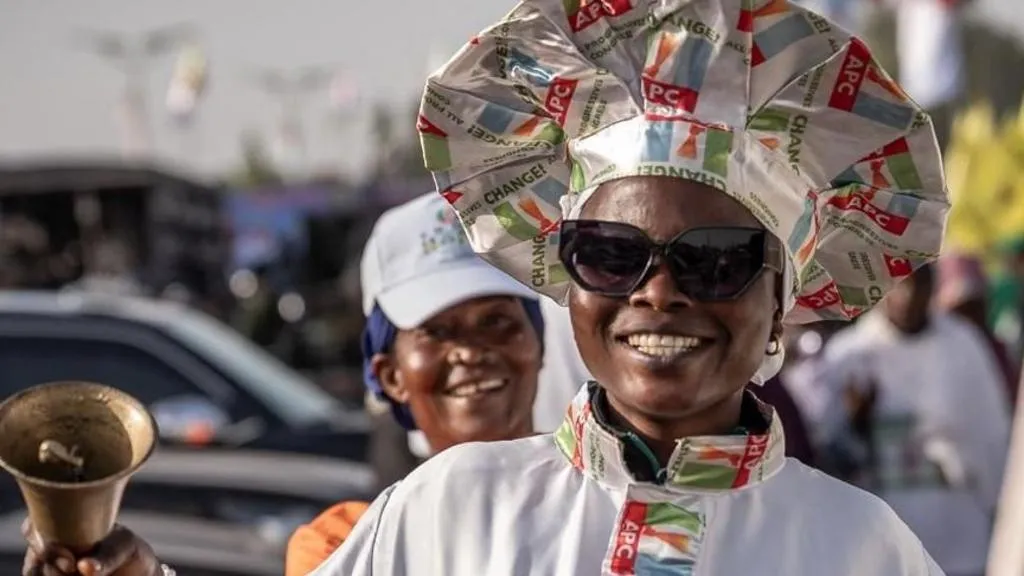
Nigerian youth in politics face massive structural and financial hurdles despite making up 80% of the population. While young people mobilised through movements like EndSARS and the 'Obidient' campaign, their actual electoral representation is declining. Data shows that voters under 35 now account for just 29% of registered voters, a drop from 40% in 2023, even as total registration rose to over 103 million. This shift suggests growing disillusionment with a system dominated by older candidates and high entry costs.
The widening gap between demographics and representation
The disparity between Nigeria's age profile and its leadership is starkly visible in the upcoming electoral landscape. While the majority of the population is under 40, the candidates vying for the highest offices are significantly older. For example, current President Bola Tinubu is 74, and his primary challenger, Atiku Abubakar, is 79. Even Peter Obi, who previously galvanised a massive youth movement, is 65.
Of the 18 presidential candidates currently identified, only one is under the age of 40. Moses Olusoji Adebisi, a 35-year-old businessman representing the Democratic Leadership Alliance (DLA), is the sole candidate in this age bracket. However, his presence on the campaign trail has been minimal, and widespread public awareness of his candidacy remains low.
Legislative age disparities
The lack of youth representation extends beyond the presidency into the National Assembly. The legislative bodies show a heavy concentration of older members, creating a barrier for younger professionals seeking to influence policy. According to current figures, not one of Nigeria's 109 senators is under the age of 40. In the House of Representatives, which consists of 360 members, only 14 individuals fall into the under-40 age category.
Declining voter enrolment among young citizens
Despite a massive increase in the total number of registered voters in Nigeria, the youth demographic is retreating from the formal electoral process. While the electoral register grew by 10 million to exceed 103 million since the last election, the number of citizens under 35 who enrolled actually fell by approximately seven million.
This trend highlights a shift in how young Nigerians engage with the state. The percentage of registered voters under 35 has dropped from 40% in 2023 to just 29% currently. This decline follows a period of intense political activism, suggesting that recent electoral outcomes have failed to convert social movement energy into sustained voting patterns.
From social movements to electoral disillusionment
Nigerian youth have demonstrated a profound capacity for political mobilisation in recent years, though these efforts have often struggled to translate into legislative power. The 2020 EndSARS protests, initially sparked by police brutality, evolved into a broader demand for accountability and political reform. Similarly, the 'Obidient' movement during the previous election cycle used social media to challenge the established political order, appealing to young people facing unemployment and economic hardship.
However, the aftermath of these movements has often been marked by frustration. The EndSARS protests were met with a crackdown by authorities; while officials dispute certain figures, it is reported that approximately 56 people were killed, alongside hundreds of arrests and the freezing of bank accounts. For many, the failure of the 'Obidient' movement to secure the presidency has led to a sense of hopelessness regarding the system's ability to change.
"At the time we were so hopeful, but unfortunately the result wasn't what we wanted, which made many lose hope in the system," [said] former Obedient Nonso Chukwudi, according to the BBC.
This sentiment is echoed by citizens like Hajara Musa, 33, who expressed that she has no plans to register or vote because she feels the outcomes are predetermined by the same established figures.
The prohibitive cost of political entry
Financial barriers represent perhaps the most formidable obstacle for young Nigerians attempting to enter the political arena. The cost of running for office in Nigeria is exceptionally high, often requiring resources that young professionals simply do not possess. Even candidates who possess political ambition often find themselves forced to abandon campaigns due to a lack of funding.
The following table outlines the financial requirements and limits associated with presidential campaigns in Nigeria:
| Financial Metric | Details / Amount |
|---|---|
| Presidential Nomination Fee (Major Parties) | 100 million naira ($74,000; £56,000) |
| Previous Presidential Spending Limit (2023) | 5 billion naira (£2.8m; $3.7m) |
| Current Presidential Spending Limit | Doubled from the 2023 limit |
The ruling All Progressives Congress (APC), the Peoples Democratic Party (PDP), and the African Democratic Congress (ADC) have all set nomination fees at 100 million naira. For many aspiring leaders, these costs, combined with the necessity of competing against established nationwide networks, make the presidency an unattainable goal.
The role of economic status in participation
Fatima Zahra Umar, a young politician within the APC who has previously sought a seat in the House of Representatives, notes that Nigerian politics is fundamentally "cash-intensive." She argues that because many young Nigerians are economically disadvantaged, their participation is often limited to seeking influence as special advisors to senior politicians rather than running for office themselves.
Cultural and structural barriers to change
Beyond the immediate financial requirements, there are deep-seated cultural and structural issues that prevent the rise of a younger political class. Political analyst Seun Ajayi suggests that while Nigeria possesses highly intelligent young people, there is a lack of zeal to fight for major positions, with many becoming satisfied with smaller roles in government. He notes that established political figures are unlikely to step aside without a concerted struggle.
Cultural attitudes toward age also play a role. Umar suggests that Nigerian society is not culturally primed to trust or accept the leadership of younger individuals, noting that "old men are still holding on to the system." This cultural resistance, combined with the dominance of long-standing parties like the PDP and APC, creates a closed loop that is difficult for new, younger challengers to break.
In response to the declining youth engagement, the Independent National Electoral Commission (INEC) has attempted to reach younger audiences by appointing nine ambassadors from the entertainment, film, and music industries. However, as the enrolment figures suggest, these efforts have yet to reverse the downward trend in youth registration ahead of the 2027 general elections.
