
Macky Sall political comeback: APR strategy in Senegal 2026
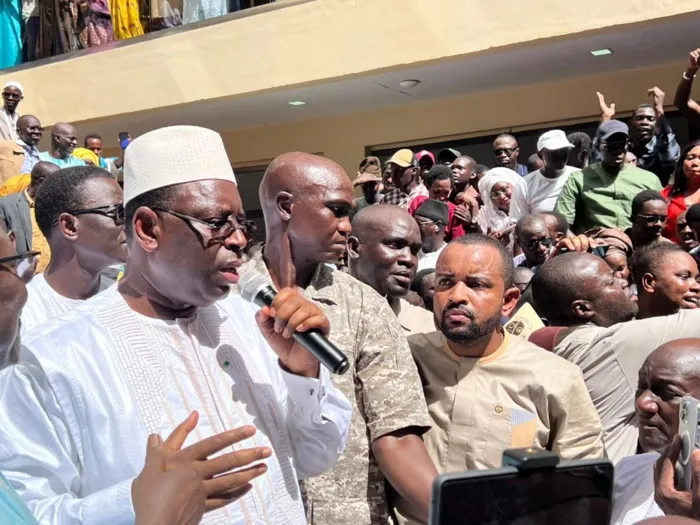
The Alliance pour la République (APR) is actively reorganizing its political apparatus to capitalize on growing public nostalgia for the infrastructure and stability of the Plan Sénégal Émergent (PSE) era. As Senegal faces current budgetary tensions and rising living costs, the former ruling party is positioning itself as a credible alternative for the 2029 elections through grassroots mobilization and the formation of broader opposition fronts.
Economic shifts fueling political re-evaluation
Recent socio-economic challenges in Senegal have triggered a shift in public perception regarding the 2012–2024 administration. While the current period is marked by debates over purchasing power and strict IMF-mandated fiscal transparency, a segment of the population is looking back at the previous decade with renewed interest. This trend is particularly evident as the nation navigates the complexities of a $2.2 billion IMF program and ongoing tensions regarding domestic debt settlement.
The contrast between current budgetary constraints and the visible infrastructure legacy of the Plan Sénégal Émergent (PSE) provides a strategic opening for the opposition. Public discussions frequently highlight the rapid execution of road, rail, and energy projects during the Sall presidency, framing those years as a period of tangible developmental progress compared to the present institutional frictions in the National Assembly.
The APR's strategy for institutional recovery
Following the 2024 presidential election, the Alliance pour la République has moved from a defensive posture to an active reorganization phase. According to political analyst Papa Ogo Seck, the party is operating under a logic of survival and dignity, aiming to restore its public visibility by emphasizing the material achievements of the 2012–2024 period.
Key party figures are leading this communicative offensive. Leaders such as Aïssata Tall Sall and Mansour Faye are systematically contrasting the physical development of the previous era with the current economic impasse. This effort is designed to re-establish the image of Macky Sall as a leader with proven expertise in managing both domestic economic levers and international diplomacy.
International factors and domestic leadership
The political landscape was further influenced by Macky Sall's withdrawal from the United Nations Secretary-General race in October 2026. For APR militants, this move has redirected focus back toward the domestic stage, fueling expectations that the party founder will take a more direct role in steering the party toward the 2029 electoral cycle.
Grassroots mobilization and the December milestone
To convert public sentiment into electoral strength, the APR has launched a comprehensive territorial restructuring program. Since September 2026, the party has been conducting local general assemblies and renewing its base committees across various departments. This reorganization targets specific demographics, including youth, women, students, and teachers, to ensure a functional electoral machine remains intact despite the loss of state resources.
The party's internal structure, including the National Executive Secretariat (SEN) and regional federations, is being reactivated to correct the organizational decline observed after 2024. A critical test of this mobilization is set for December 5, 2026, in Saint-Louis. This event, marking the 18th anniversary of the APR, is intended to serve as a massive demonstration of strength and a litmus test for the party's ability to command the streets.
Building a unified opposition front
Recognizing that single-party movements face significant hurdles in Senegal, the APR is pursuing a strategy of broad coalition-building. Building on the 'Takku Wallu Sénégal' alliance formed during the 2024 legislative elections, the party has officially opened consultations with various political forces, civic movements, and independent figures.
This diplomatic offensive aims to create a structured opposition pole focused on defending public liberties and institutional stability. Political analyst Abdoulaye Mbow notes that the ongoing discussions—specifically regarding a potential lasting rapprochement with the PDS—indicate a desire to create a weightier political counter-balance to the current executive and parliamentary majority.
