
Sharpeville massacre survivors launch legal fight to overturn 1961 indemnity law
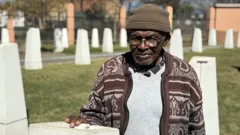
Survivors of the 1960 Sharpeville massacre have filed a High Court case in South Africa to challenge the 1961 Indemnity Act, which shielded police from prosecution for killing at least 69 protesters. The action seeks to enable criminal charges and reparations for victims and families.
Why are survivors challenging the 1961 Indemnity Act now?
Abraham Mofokeng, 86, and other survivors filed the case on 3 September 2026 through Lawyers for Human Rights and UK firm Leigh Day. The 1961 law blocked both criminal and civil claims against police involved in the 21 March 1960 shooting. Mofokeng still carries a bullet in his spine from that day.
At least 69 people died and more than 200 were injured when police fired over 1,300 rounds into a crowd protesting pass laws. Recent research has raised the death toll to as many as 91. The new constitution that took effect in 1994 did not automatically repeal pre-existing laws, leaving the indemnity statute in place.
What does the court application seek?
The applicants want the Indemnity Act declared unconstitutional. If successful, the ruling could open the way for a class action involving up to 70 victims and relatives. It could also allow criminal investigations of any surviving officers. Lawyer Charne Tracey said the community seeks both individual damages and broader reparations to address ongoing trauma and economic harm.
Constitutional expert Frans Viljoen said repealing the law would help remove apartheid-era statutes and close a legal chapter from the past while respecting the principle of state continuity.
How has the Truth and Reconciliation Commission fallen short for Sharpeville?
The TRC, established after 1994, granted amnesty to perpetrators who fully disclosed their actions. No police officers applied for amnesty for the Sharpeville shootings. Survivors say the process produced no criminal accountability or adequate compensation for this specific community. The government has paid roughly $31 million in individual grants to 560 TRC-recognised victims nationwide and encourages remaining Sharpeville claimants to register.
Frequently asked questions
What happened during the Sharpeville massacre?
Police opened fire on thousands of peaceful demonstrators protesting pass laws on 21 March 1960, killing at least 69 people and injuring more than 200.
Why has no one been prosecuted?
The 1961 Indemnity Act protected police and officials from criminal or civil liability for the shootings.
Can the new case lead to criminal charges?
A successful constitutional challenge could clear the way for investigations if any alleged perpetrators are still alive.
How many people might join a class action?
Lawyers estimate up to 70 survivors and relatives could participate if the class action is certified.
Has the government provided any reparations?
The justice department reports $31 million paid to 560 apartheid-era victims through TRC grants, though not all Sharpeville families have been identified.
Key takeaways
Survivors filed a High Court case on 3 September 2026 to declare the 1961 Indemnity Act unconstitutional.
The 1960 massacre left at least 69 dead and more than 200 injured according to contemporary records.
The Truth and Reconciliation Commission produced no amnesty applications or criminal accountability for the Sharpeville shootings.
A certified class action could involve up to 70 victims and relatives seeking damages and reparations.
The government has distributed $31 million in grants to recognised apartheid victims nationwide.
