
Wildfire Haze South East Asia 2026: Super El Niño Intensifies Toxic Smog
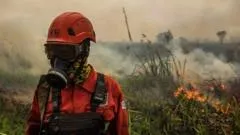
Toxic haze from Indonesian wildfires has spread into Malaysia, Singapore and the Philippines, exposing millions to pollution levels more than 15 times World Health Organization guidelines. A Super El Niño has intensified drought since mid-July, leading to over 50,000 respiratory infections recorded by Indonesia’s Health Ministry between July and August, including more than 12,000 cases in children under five. This article examines the health effects, underlying land-use drivers and carbon implications.
What is causing the current haze crisis across Southeast Asia?
Wildfires burning since mid-July across Sumatra and Indonesian Borneo have released dense smoke that drifted into neighboring countries. The fires are fueled by prolonged drought linked to a strong El Niño event. Peatlands that normally store carbon become flammable when drained for plantations, allowing fires to spread rapidly and release stored carbon. Residents in affected areas report visibility so low that indoor spaces remain hazy even with windows closed.
How many people have been affected by respiratory illness?
Indonesia’s Health Ministry documented more than 50,000 respiratory infections tied to the fires between July and August. Over 12,000 of those cases involved children younger than five. Similar symptoms, including coughs, sore throats and itchy eyes, have been reported in Palawan in the Philippines and in parts of Malaysia where asthma and conjunctivitis cases have risen. Local accounts describe headaches and new allergies emerging during peak haze days.
Why are peatlands central to the scale of emissions?
Peatlands act as long-term carbon reservoirs because waterlogged conditions slow decomposition. When drained for commercial use or burned, the stored carbon is released quickly. Experts describe these areas as potential carbon bombs under current conditions. Last year, without El Niño influence, fires burned 359,000 hectares. Projections for this year suggest the burned area could reach 11 million hectares if conditions persist.
What steps are authorities taking during the peak period?
Indonesia’s forestry minister stated that September marks the height of the El Niño season and the most critical phase for containment efforts. The government continues to monitor fire hotspots and coordinate suppression, though experts note that recurring fires on industrial concessions remain difficult to control. Environmental groups emphasize that land-use practices established decades ago continue to shape vulnerability today.
Frequently asked questions
Is the haze expected to worsen?
Officials and researchers anticipate continued or increased smoke through September as the El Niño peaks, with potential for further spread if new fires ignite.
Which countries are most exposed?
Indonesia faces the largest direct impact, while Malaysia, Singapore and the Philippines receive drifting smoke that elevates local pollution readings.
Are children at higher risk?
Health data show children under five account for a significant share of recorded respiratory cases, consistent with greater vulnerability to fine particulate matter.
Can peatland fires be prevented?
Prevention requires restoring water levels in peat areas and enforcing restrictions on land clearing by fire, measures that address both ignition sources and fuel availability.
What is the link to carbon emissions?
Burning peat releases ancient carbon stores rapidly, contributing to atmospheric greenhouse gases and reducing the region’s capacity to act as a natural sink.
Key takeaways
Wildfires in Indonesia have produced haze affecting multiple Southeast Asian nations since mid-July 2026.
More than 50,000 respiratory infections, including over 12,000 in young children, were recorded in two months.
Super El Niño conditions have extended drought and increased fire risk on drained peatlands.
Projections indicate up to 11 million hectares could burn if the season matches historical peaks.
September is identified by officials as the most critical month for fire control efforts.
