
Rosemary Nyirumbe Uganda: A Mission to Heal LRA Survivors
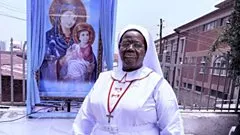
Rosemary Nyirumbe Uganda has become a symbol of resilience for those affected by the Lord's Resistance Army (LRA) insurgency. Since entering religious life in her mid-teens, she has dedicated her vocation to rehabilitating children who endured extreme trauma during the conflict. Her work focuses on reintegrating abducted youths and their children back into communities that often rejected them after the violence subsided. Through her leadership at the Saint Monica Community Women's Association, she provides essential psychosocial support and vocational training to help these vulnerable individuals reclaim their dignity and find a sustainable path forward in a post-conflict society.
The impact of the Lord's Resistance Army in Northern Uganda
The terror inflicted upon northern Uganda by the Lord's Resistance Army (LRA) began in the 1980s. During this period of instability, the rebel group targeted children, abducting both boys and girls to serve as child soldiers. These children were frequently forced by the LRA to commit atrocities, a process that left them deeply traumatized.
The consequences for female captives were particularly severe. Beyond the physical dangers of combat, many girls bore the children of rebel leaders while in captivity. This dual burden of trauma and forced parenthood created significant hurdles for their eventual return to civilian life.
Challenges in community reintegration
Returning home did not always guarantee safety or acceptance for the survivors. According to Sr Rosemary, many children who were once part of the LRA faced rejection from their own families and communities upon their return. This social isolation was often driven by the very atrocities they were forced to commit under duress.
The psychological and social barriers to reintegration included:
- Stigmatization due to past involvement in rebel activities.
- Rejection of children born from wartime abductions.
- The deep-seated trauma resulting from forced participation in violence.
Rehabilitation through skills and spiritual guidance
To combat this cycle of rejection, Sr Rosemary focused on providing survivors with tangible means of survival and emotional support. Her approach to rehabilitation combined practical vocational training with spiritual reassurance.
Vocational empowerment
By enabling survivors to acquire specific skills, such as sewing, she provided them with a path toward economic independence and a sense of purpose. These skills were essential for building a future outside of the shadow of the conflict.
Spiritual and emotional healing
A central component of her mission was helping survivors navigate their guilt. She worked to convince them that they had not been rejected by God for the actions they were forced to perform. Through these efforts, she sought to restore their dignity and sense of belonging within society.
Risks and the power of small acts
The mission to rehabilitate these children was not conducted in a vacuum of safety. Sr Rosemary reportedly put herself in enormous danger on more than one occasion to ensure her work continued. Despite the high stakes of operating in a region shaped by the LRA, she observed that even battle-hardened rebels could be moved by small acts of kindness.
