
Kenya President Orders Crackdown on Foreign Small Businesses 2026
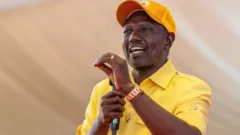
Kenya's President William Ruto has directed that foreigners operating small-scale businesses must close operations starting next week. The order targets traders including those from China and neighboring East African countries. Government data indicate 857000 registered refugees and asylum seekers by June, with nearly 14 percent living in urban areas. This article examines the policy details, legal context for refugees, and reactions from regional migrants.
Policy announcement and immediate measures
President Ruto stated during a meeting with small-scale traders at State House in Nairobi that foreign nationals engaged in hawking or running small shops must shut down. He added that legislation would be accelerated to reserve certain trading activities for Kenyan citizens. The president emphasized that foreign investors remain welcome provided they create jobs and expand production rather than compete directly with locals in low-capital sectors.
Scale of refugee and migrant participation
Official figures show Kenya registered 857000 refugees and asylum seekers by the end of June. Approximately 14 percent reside outside designated camps in urban centers. Kenyan law permits refugees to work and operate businesses once they obtain the required documentation and special permits. Migrants from the East African Community region commonly work in barber shops, salons, construction, motorbike taxis, street vending, and retail of clothing and household goods.
Legal framework and documentation requirements
Refugees who wish to engage in trade must apply for permits that authorize employment or business activity. The government has previously recognized the right of registered refugees to participate in the economy under these conditions. Enforcement details for the new directive, including how existing permit holders will be treated, have not yet been clarified by authorities.
Regional context and prior incidents
Tensions between local traders and foreign nationals have surfaced periodically. In July a public confrontation between a Kenyan resident and a Burundian trader in Nairobi drew widespread attention and criticism. Kenya's foreign ministry subsequently issued statements aimed at reassuring East African nationals living in the country. Similar debates about migrant participation in informal economies have occurred in other African nations this year.
Frequently asked questions
What businesses are affected by the directive?
The order targets small-scale operations such as hawking, street vending, and small retail shops run by foreign nationals. Larger investments that create employment remain permitted under existing rules.
Do refugees have the right to work in Kenya?
Yes. Registered refugees may apply for special permits that authorize work or business activity, although they must complete the required documentation process.
How many people could be impacted?
Exact numbers are not available. Kenya hosts 857000 registered refugees and asylum seekers, with 14 percent living in urban areas where informal trading occurs.
Will existing permits remain valid?
Authorities have not yet issued guidance on the status of current permits or the timeline for enforcement actions.
What is the East African Community policy on movement?
The regional bloc allows relatively free movement among member states, enabling citizens of partner countries to seek opportunities in Kenya under applicable national regulations.
Key takeaways
- President Ruto ordered closure of small foreign-owned businesses starting next week.
- Kenya recorded 857000 registered refugees and asylum seekers by June.
- Fourteen percent of refugees live in urban areas and may engage in permitted trading.
- Legislation to restrict certain trades to citizens is being fast-tracked.
- Foreign investment remains welcome if it expands employment opportunities.
