
Japan Cold Water Cup Noodles: Viral Trend Explained
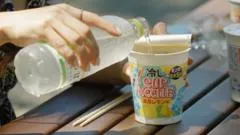
Japan's latest food trend features instant noodles designed for preparation with cold water rather than boiling water. The product gained rapid popularity online and quickly sold out across stores. Marketed as a refreshing summer option, it aims to provide a chilled meal without traditional cooking. This article examines the product's development, consumer reception, preparation method, and its place among other Japanese convenience foods.
What Are Cold Water Cup Noodles?
These noodles represent a specialized instant product from Japan that uses cold water instead of hot. Manufacturers formulated them to hydrate properly at lower temperatures, creating a chilled dish suited for warm weather. The concept emerged as an alternative to standard cup noodles that require boiling water and result in a hot meal.
Why Did the Product Go Viral?
Online videos and social media posts highlighted the novelty of preparing noodles without heat. Users shared taste tests showing the texture and flavor achieved with cold water. Demand surged quickly, leading to stock shortages in multiple regions. The trend aligned with seasonal interest in cooling foods during Japan's humid summer months.
How Do They Compare to Regular Instant Noodles?
Standard instant noodles rely on hot water to soften the dried strands and activate seasoning. Cold water versions use thinner or specially processed noodles that absorb moisture at room temperature or below. The resulting dish remains cool and is often paired with lighter broths or sauces. Taste tests indicate the flavor profile stays close to traditional versions while changing the temperature experience.
Preparation and Taste Test Results
Preparation involves adding cold water directly to the cup and waiting several minutes for hydration. No microwave or kettle is required. Early reports from testers note that the noodles achieve an acceptable texture, though some describe it as slightly firmer than hot versions. The seasoning dissolves adequately in cold liquid, delivering the expected taste.
Market Impact and Availability
Retailers reported rapid sell-outs after the initial online attention. Production increases followed to meet ongoing demand. The item now appears in convenience stores and supermarkets nationwide, with some locations limiting purchases per customer. Similar products from competing brands have entered the market in response.
Frequently Asked Questions
Are cold water noodles safe to eat?
Yes, manufacturers design the product to hydrate safely with cold water, following standard food safety guidelines for instant noodles.
How long does preparation take?
Most versions require five to seven minutes of soaking in cold water before they are ready to eat.
Do they taste the same as hot noodles?
The flavor remains comparable, though the chilled temperature creates a different overall eating experience.
Where can consumers buy them?
The noodles are available in Japanese convenience stores, supermarkets, and some online retailers following the recent stock increases.
Is this trend limited to summer?
While promoted for summer, the product remains on shelves year-round in response to continued interest.
Key Takeaways
Japan introduced cold water cup noodles as a chilled summer convenience food. Social media exposure caused rapid sell-outs across the country. The noodles hydrate properly without heat and maintain familiar flavors. Production has expanded to meet sustained demand. Competing brands have released similar items.
