
Channel smuggling gangs turn to mega-dinghies as small boat supply shrinks
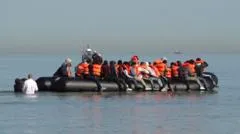
English Channel smuggling networks are shifting to larger inflatable vessels known as mega-dinghies after intensified policing reduced small boat availability. Between January and September 2026, 16,513 people crossed from France, a 43% drop from the prior year. Gangs now charge up to €2,000 per person and coordinate fewer, more crowded launches. This article examines the operational changes, risks to migrants and responses from UK and French authorities.
Why are smuggling gangs adopting mega-dinghies?
Reduced access to small boats has pushed criminal groups to consolidate passengers on fewer, larger vessels. A 15-metre dinghy carrying 230 people reached UK shores in recent weeks, marking a record load. Gang members told BBC sources that additional mega-dinghies are under preparation. The tactic allows rivals to share resources while maintaining revenue despite fewer successful launches.
How have crossing numbers and prices changed?
UK government data show small boat arrivals fell sharply after French officers began intercepting two-thirds of vessels before launch. Average occupancy rose to 68 people per boat, more than double the 2021 figure. Prices increased from around €1,300 to €2,000 per passenger, with payments now required in cash. Crossings between January and September 2026 totalled 16,513, down 43% year-on-year.
What tactics are used on French beaches?
Operations observed at Gravelines involve taxi boats departing from distant points, including Belgium, to avoid detection. Migrants wait in dunes or woods rather than larger camps. Launches occur in daylight to exploit gaps between patrols. One vessel collected groups five times over three hours before carrying 82 people into the shipping lane.
What risks do larger vessels create?
Overcrowding raises the chance of capsizing or engine failure. On 4 August, 170 people were rescued after their boat caught fire. The UN recorded at least 84 deaths in Channel attempts during 2024. Emergency services on both sides have expressed concern about the trend toward bigger craft.
How are UK and French authorities responding?
Both governments have increased joint patrols and coordination. UK officials credit French efforts for the six-year low in arrivals. Additional police deployments are planned. However, migrants continue to attempt crossings when weather conditions allow, typically requiring winds under 5 knots and waves below 0.8 metres.
Frequently asked questions
How many people crossed the Channel by small boat in 2026?
16,513 people arrived between 1 January and 1 September 2026, representing a 43% decrease compared with the same period in 2025.
Why do prices for crossings keep rising?
Scarcity of small boats and higher interception rates have reduced supply, allowing gangs to charge up to €2,000 per person instead of the previous €1,300.
Which nationalities are most represented among arrivals?
People from Eritrea accounted for 18% of arrivals between July 2025 and June 2026, according to Home Office statistics.
Key takeaways
- Small boat crossings dropped 43% in the first nine months of 2026 after increased French interceptions.
- Gangs now use mega-dinghies carrying over 200 people to offset fewer vessels.
- Prices rose to €2,000 per passenger with cash-only payments required.
- Average boat occupancy reached 68 people, doubling since 2021.
- At least 84 deaths occurred in Channel crossings during 2024 per UN figures.
