
Agricultural Investment Incentives in Botswana 2026: Strategies and Opportunities
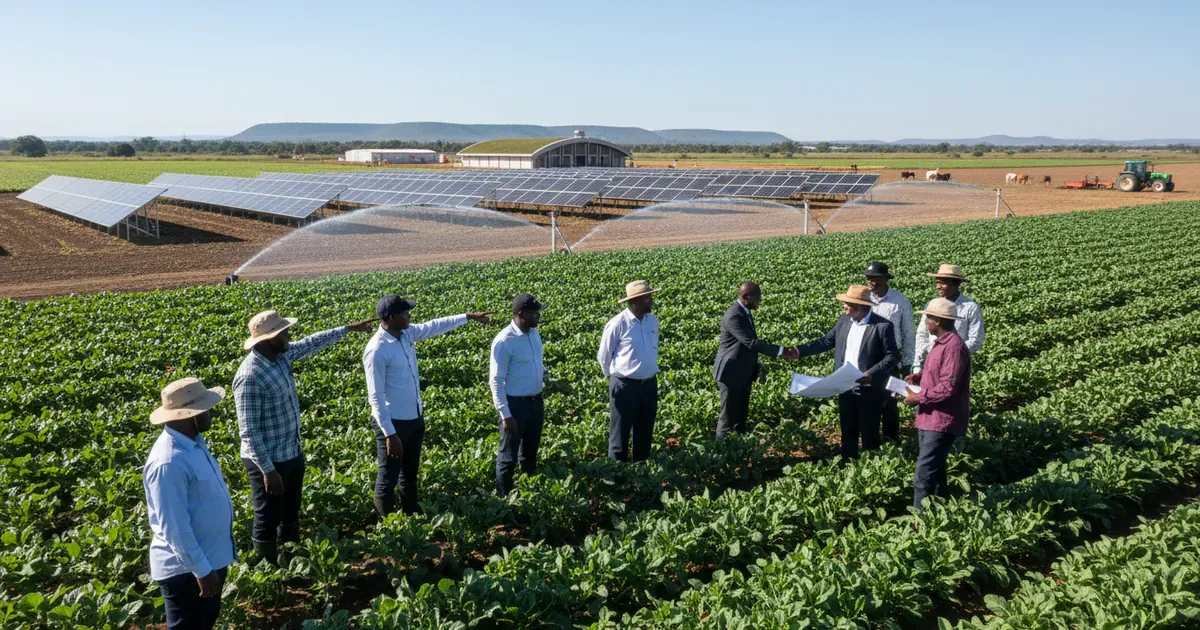
Agricultural investment incentives in Botswana are designed to transform the nation into a regional food hub through strategic fiscal support and land access. The Botswana government provides significant advantages, including tax holidays, duty exemptions on specialized machinery, and direct subsidies for irrigation and livestock development. These measures aim to reduce import dependency and stimulate rural employment. By leveraging these incentives, both local and foreign investors are increasingly integrating advanced technology into the country's diverse landscapes, from the Okavango periphery to the central grasslands.
The Framework of Botswana's Agricultural Support Systems
The shift toward large-scale commercial farming in Botswana is underpinned by a structured policy framework intended to de-risk private capital entry. The government's approach focuses on bridging the gap between traditional subsistence methods and high-yield commercial agribusiness. This is achieved through a combination of direct financial interventions and indirect fiscal relief managed by various state agencies.
Fiscal Incentives and Tax Relief
Investors in the agricultural sector can access specific tax advantages aimed at accelerating capital recovery. These typically include:
- Import Duty Exemptions: Reduction or total removal of duties on essential agricultural inputs, such as tractors, harvesters, and specialized irrigation components.
- Corporate Tax Incentives: Targeted tax holidays for new agribusiness ventures that demonstrate high employment potential in rural districts.
- VAT Advantages: Reduced rates or exemptions on specific fertilizers and seed varieties essential for local crop production.
Land Allocation and Infrastructure Support
Beyond direct cash or tax relief, the state facilitates investment through land tenure security and infrastructure development. The government prioritizes the allocation of arable land to projects that align with the National Development Plan, particularly those focusing on meat production and drought-resistant horticulture. Furthermore, state-led initiatives often include the provision of water infrastructure, which is critical in a landscape characterized by semi-arid conditions.
Key Sectors for High-Yield Investment in 2026
As Botswana seeks to diversify its economy away from diamond dependency, the agricultural sector has emerged as a primary pillar for sustainable growth. Investors are currently focusing on three core areas where government incentives are most concentrated.
| Sector | Primary Incentive Type | Economic Objective |
|---|---|---|
| Livestock & Beef | Export subsidies and veterinary support | Strengthening the beef export value chain to EU/Asian markets |
| Horticulture | Irrigation grants and water rights | Reducing reliance on imported vegetables and fruits |
| Agri-Tech | R&D tax credits and digital grants | Modernizing farming via precision agriculture and data |
Livestock and the Beef Export Value Chain
Botswana's beef industry remains a cornerstone of its agricultural identity. Government support is heavily weighted toward maintaining international sanitary standards, which allows local producers to access high-value global markets. Incentives here often take the form of technical assistance for cattle ranching and support for meat processing facilities, ensuring that more value is added within the country's borders.
Horticulture and Water Management
With the seasonal fluctuations of the Okavango Delta and the challenges of the Kalahari, horticulture requires significant upfront capital for water management. The government addresses this through subsidized irrigation schemes. These programs are designed to enable year-round production, transforming seasonal farming into a consistent commercial enterprise.
Success Stories: Impact of Government Incentives
The efficacy of these policies is best observed through the operational success of diverse market participants. The following profiles illustrate how strategic use of state support can catalyze growth.
Local Agribusiness Expansion
Local entrepreneurs have utilized government grants to transition from small-scale poultry farming to large-scale integrated operations. By leveraging low-interest loans provided through state-backed development banks, these producers have been able to invest in automated feeding systems and climate-controlled housing, significantly increasing survival rates and output per hectare.
Foreign Direct Investment in Large-Scale Farming
Foreign investors have also found the Botswana landscape attractive, particularly when combining international expertise with local incentives. For instance, several international agribusiness firms have established large-scale grain production units by taking advantage of duty exemptions on heavy machinery. These entities have not only increased national grain reserves but have also introduced advanced soil-monitoring technologies to the local ecosystem.
Navigating the Investment Landscape: Challenges and Considerations
While the incentives are robust, successful investment requires a nuanced understanding of the local operational environment. Investors must account for logistical complexities and the necessity of long-term environmental stewardship.
Logistics and Market Access
The landlocked nature of Botswana means that supply chain efficiency is paramount. While the government provides incentives for production, investors must also plan for the movement of goods to regional hubs. Strategic placement of facilities near existing transport corridors is a key factor in maintaining the profitability of perishable goods.
Environmental and Climate Resilience
Investing in Botswana's agriculture necessitates a focus on climate-smart practices. The availability of incentives is often tied to the sustainability of the project. Investors who implement water-recycling technologies or drought-resistant crop varieties are frequently better positioned to secure long-term state support and land tenure.
Frequently Asked Questions about Botswana Agriculture
Yá-tlo na le dikgothatso tsa puso tsa peeletso mo temothuong mo Botswana?
Yes, the Botswana government offers various incentives, including tax exemptions on machinery, irrigation subsidies, and support for livestock exports to boost the agricultural sector.
Are there specific incentives for foreign investors in Botswana's agribusiness?
Foreign investors can benefit from duty-free imports of agricultural equipment and specialized tax treatments designed to encourage large-scale, technology-driven farming projects that contribute to national food security.
Conclusion: The Future of Agribusiness in Botswana
The convergence of proactive government policy and a growing demand for food security makes Botswana an increasingly compelling destination for agricultural capital. By aligning investment strategies with the available fiscal incentives and focusing on high-growth sectors like livestock and horticulture, investors can contribute to the nation's economic diversification while securing sustainable commercial returns.
