
Kenya mining deal: US consortium wins Mrima Hill tender
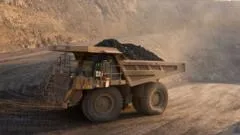
The Kenya mining deal for the Mrima Hill project has been awarded to Frontier Minerals, a US-led consortium that beat seven competing bidders. The site is estimated to contain critical mineral deposits valued at more than $60bn, including niobium, which is essential for electric vehicles, aerospace, and defence technology. This decision positions American interests at the center of a strategic resource race against Chinese competitors in Africa. The project aims to establish local processing and refining capabilities to ensure Kenya captures more economic value from its natural resources.
Frontier Minerals secures rights to $60bn mineral site
The US-led consortium Frontier Minerals has won the tender to develop the Mrima Hill mining project in Kwale County, according to reports regarding the recent bidding process. The consortium successfully outmanoeuvred seven other bidders, including major companies from China and Australia, to secure the rights to the site. Mrima Hill is considered a high-value asset, with estimated deposits of critical minerals worth exceeding $60bn.
The project is particularly significant due to the presence of niobium, a mineral vital to several high-tech sectors. The strategic importance of these minerals is reflected in their applications:
- Electric Vehicles: Essential components for battery and motor technologies.
- Aerospace: Used in high-strength, lightweight alloys for aircraft.
- Defence Technology: Critical for advanced weaponry and structural components.
Frontier Minerals is composed of three distinct American entities, combining various technical and logistical capabilities for the project's execution.
Consortium composition and expertise
The winning consortium brings together a specific set of industrial strengths required for large-scale resource extraction and processing. The three US companies involved are:
- Bunker Hill Mining Corp
- American Resources Corporation
- ReElement Technologies Corporation
By combining these entities, Frontier Minerals intends to integrate expertise in mineral resource development, the management of critical materials supply chains, and the deployment of advanced refining technologies. This integrated approach is central to their bid to manage the complexities of the Mrima Hill site.
Strategic shift toward in-country mineral processing
A core component of the Frontier Minerals proposal is the development of mineral processing and refining capacity directly within Kenya. Rather than simply exporting raw ores, the consortium intends to build local infrastructure to refine the minerals on Kenyan soil. Brad Barnett of Frontier Minerals stated that the company wants the country to capture more value from its mineral resources.
This strategy aims to move Kenya up the value chain, transitioning from a raw material exporter to a participant in the industrial processing stage. The consortium's stated goal is to create lasting opportunities for Kenyan workers, businesses, and the broader economy through targeted investment and capacity-building. This approach is intended to address long-standing concerns regarding how much economic benefit stays within African nations following large-scale extraction projects.
| Feature | Frontier Minerals Proposal Detail |
|---|---|
| Primary Objective | In-country processing and refining |
| Economic Focus | Capacity-building for Kenyan workers and businesses |
| Key Resource | Niobium and other critical minerals |
| Location | Mrima Hill, Kwale County |
Geopolitical competition and US supply chain security
The awarding of the Mrima Hill project occurs as Washington intensifies its efforts to secure alternative sources of critical minerals and reduce its reliance on Chinese supply chains. China currently dominates the global processing of many key minerals, a position the US is actively seeking to challenge by forming partnerships with mineral-rich African nations. The Kenya mining deal is a significant step in this broader geopolitical strategy.
The United States has been pursuing similar strategic partnerships in other resource-rich African countries to strengthen domestic industries. For instance, Washington has targeted engagement with the Democratic Republic of Congo and Zambia to bolster supply chains for sectors ranging from green energy to national defence. By securing a foothold in Kenya, the US aims to diversify the sources of materials necessary for its technological and military industrial bases.
Environmental concerns and community impact at Mrima Hill
Despite the economic potential, the development of the Mrima Hill site faces significant local opposition and environmental scrutiny. The project area covers approximately 390 acres of forest near Kenya's Indian Ocean coastline. Local residents have expressed fears that mining activities could lead to the destruction of the forest and pose a threat to their ancestral heritage.
Beyond environmental preservation, there are ongoing questions regarding the equitable distribution of the project's wealth. Community members have raised concerns about whether those living in the immediate vicinity of the mine will see tangible benefits from the multi-billion dollar investment. In response to these pressures, Brad Barnett has emphasized that the consortium intends to prioritise environmental management and performance alongside its economic objectives.
Regulatory hurdles and legal challenges
The project cannot proceed immediately, as the consortium must still clear several legal and administrative milestones. Frontier Minerals is required to obtain a prospecting licence and satisfy all necessary regulatory requirements set by the Kenyan government. The path to full-scale operations remains subject to these formal approvals.
Furthermore, the tender process itself has become a point of contention. According to Reuters, two rival companies have expressed intentions to challenge the selection of Frontier Minerals. Specifically, the Australian firm RareX has alleged that the consortium missed an earlier submission deadline. While the Kenyan government has maintained that the tender process was both open and transparent, these legal challenges could potentially delay the commencement of the project.
Impact on Kenya's economic diversification
For the Kenyan government, the mining sector represents a vital pillar in the national strategy to diversify the economy. The Ministry of Mining has indicated that expanding the mining industry is essential for reducing the country's dependence on traditional revenue streams. Currently, Kenya's economy relies heavily on sectors such as tourism, agriculture, and financial services.
By integrating large-scale mining and mineral processing into the national economy, the government seeks to create new avenues for industrial growth and foreign direct investment. The success of the Mrima Hill project could serve as a blueprint for how Kenya leverages its natural resources to build a more resilient and multifaceted economic base, provided that the environmental and social challenges are effectively managed.
