
Jensen Huang affair: FBI investigates Nvidia CEO's spy links
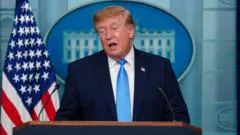
The Jensen Huang affair has triggered an FBI investigation following allegations that the Nvidia chief executive had a relationship with an individual identified as a Chinese spy. US President Donald Trump confirmed on Monday that the FBI is looking into the matter, noting that he spoke with Huang regarding the situation. The revelations caused Nvidia's share price to fall by more than 4%, wiping approximately $250bn off the company's market value. While Huang admitted to being unfaithful to his wife, he maintains he had no knowledge of the woman's alleged ties to Beijing.
The scope of the FBI investigation and presidential comments
US President Donald Trump confirmed that the FBI is investigating the personal relationship between Nvidia CEO Jensen Huang and Alice Huang, an individual suspected by US intelligence of being a spy for the People's Republic of China (PRC). During a press briefing at the White House, Trump stated he had spoken directly to Jensen Huang on Monday to discuss the reports of a Chinese espionage campaign targeting the executive. According to Trump, when asked if he was aware of the woman's alleged status, Huang replied, "I had no idea she was a spy," a statement Trump said he believed.
While the President described Huang as an "honourable guy" and expressed confidence that the investigation would conclude favorably for him, he did not provide specific details regarding the timeline or the exact nature of the FBI's inquiry. The FBI declined to comment when contacted by the BBC. Trump added that he had been informed about the relationship "over a period of time," though he did not specify when he first became aware of the connection.
Intelligence warnings and the role of Alice Huang
The investigation follows intelligence assessments suggesting that Alice Huang, also known as Huang Le, is a Chinese intelligence asset. According to a report by the New York Times, Secretary of State Marco Rubio had sent a memo to top Washington officials in the spring of 2026, warning that the Nvidia chief was involved in a close relationship with a suspected spy. Alice Huang served as a managing director at Megaspeed, a Singaporean company that has had business dealings with Nvidia. While the BBC was refused entry to Megaspeed's office in Singapore's central business district, a staff member confirmed the office was operational but declined to comment on the allegations.
Market impact and shareholder litigation
The news of the investigation and the alleged espionage ties caused immediate financial volatility for Nvidia, which currently stands as the world's second most valuable company after Apple. On Monday, the company's share price fell by more than 4%, resulting in a loss of approximately $250bn (£190bn) in market capitalization. This sudden decline reflects investor concerns regarding potential security breaches and the stability of Nvidia's leadership.
In addition to the regulatory and intelligence scrutiny, Nvidia and Jensen Huang are facing legal challenges in the United States. A proposed class action lawsuit was filed in California on Monday, accusing the company and its CEO of defrauding shareholders. The lawsuit alleges that Nvidia and Huang intentionally concealed the nature of the relationship with Alice Huang, who the plaintiffs claim is suspected of attempting to facilitate the smuggling of Nvidia products to China. The plaintiffs further allege that the company provided misleading information to the media regarding the relationship.
| Financial Metric | Impact/Detail |
|---|---|
| Nvidia Share Price Change | Over 4% decrease |
| Market Value Loss | Approximately $250bn (£190bn) |
| Company Status | 2nd most valuable company globally |
Nvidia's response and national security implications
Nvidia has commissioned an independent internal investigation into the affair involving Alice Huang. Despite the intense scrutiny, the company stated it has no reason to believe that its proprietary secrets or national security interests have been compromised. Jensen Huang has publicly apologized for his infidelity to his wife and family, but he emphasized his commitment to protecting the company and supporting American national security. He has pledged full cooperation with the ongoing investigations.
The situation is further complicated by the strategic importance of Nvidia's technology in the global AI race. Because Nvidia's computer chips are central to artificial intelligence development, the US government treats the company's exports to China as a matter of national security. The White House has previously imposed strict controls on advanced semiconductors, such as the H200, to prevent China from gaining a technological advantage. The potential for espionage involving a key figure in the AI supply chain has heightened the sensitivity of the investigation for US policymakers.
Congressional oversight and upcoming briefings
The scrutiny is expected to extend to the halls of Congress. Jensen Huang has been requested to appear for a joint closed-door briefing with several Congressional committees next week. The briefing is intended to address Nvidia's security protocols against foreign adversary espionage and the executive's interactions with Alice Huang, who is identified in the briefing request as a "publicly reported People's Republic of China (PRC) intelligence asset." It remains unclear whether Huang will attend the session.
The geopolitical context of the AI technology race
The investigation occurs against a backdrop of intensifying competition between the US and China regarding artificial intelligence. President Trump has frequently expressed concerns that Chinese leadership in AI could significantly enhance Beijing's military and surveillance capabilities. The President suggested that the matter would likely be raised during his next meeting with Chinese leader Xi Jinping.
Nvidia's position in this landscape is unique. While the company has historically sought to expand its global market, including China, it has faced significant restrictions on its most advanced products. For example, while the Trump administration recently allowed the sale of H200 chips to Chinese customers under specific conditions, Nvidia's most advanced AI semiconductors, such as the GB200 Blackwell super chip, remain blocked from the Chinese market. This tension between commercial interests and national security protocols is at the heart of the concerns raised by the alleged espionage link.
