
Overview of Recent Hostilities
Recent reports indicate a continuation of military engagements between the United States and Iran, even as discussions around a ceasefire persist. These actions highlight the volatile nature of the relationship between the two nations, characterized by a series of retaliatory moves and strategic maneuvers in the region.
US Operations in Southern Iran
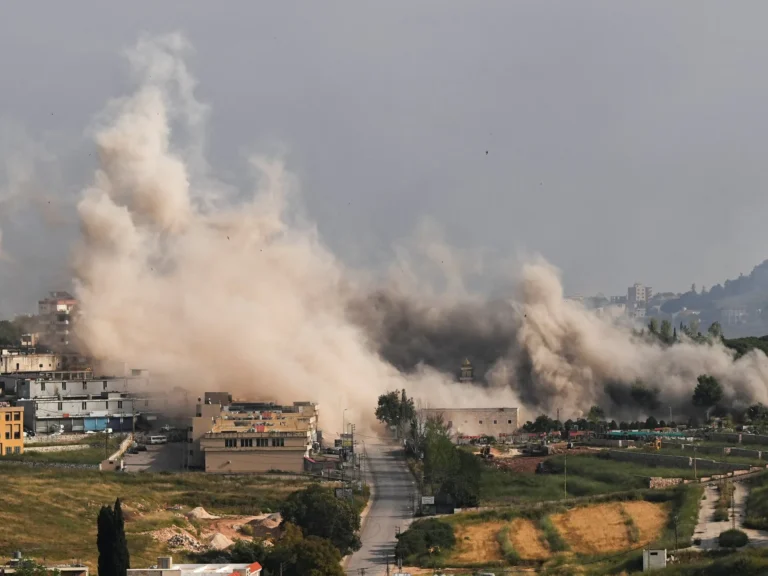
The United States has reportedly conducted fresh military strikes in southern Iran. Details surrounding the specific targets and the extent of the operations remain limited, but these actions signify a direct engagement by Washington within Iranian territory. Such strikes often aim to disrupt perceived threats or retaliate against previous actions attributed to Iran or its proxies. The deployment of military force in this manner underscores the ongoing strategic competition and the potential for broader conflict despite diplomatic efforts to de-escalate.
Iranian Responses: Drone and Fighter Jet Incidents
In response to or concurrent with US activities, Iran has also demonstrated its military capabilities and resolve. One significant incident involved the downing of a US drone. This action represents a direct challenge to US aerial surveillance and reconnaissance missions in the region. The ability to intercept and destroy an unmanned aerial vehicle (UAV) showcases Iran’s defensive capacities and its willingness to confront perceived infringements on its airspace or sovereignty.
Furthermore, Iran reportedly fired upon a US fighter jet. While details on whether the jet was hit or the specifics of the engagement are scarce, this incident further illustrates the readiness of Iranian forces to engage with US military assets. Such encounters carry a high risk of escalation, as direct engagements between manned aircraft could lead to more severe consequences and a potential widening of the conflict.
Implications for Regional Stability
The continued exchange of strikes and defensive actions between the US and Iran, even under the shadow of a purported ceasefire, has significant implications for regional stability. The Middle East remains a highly sensitive geopolitical area, and any direct military confrontation between these two major powers could trigger a broader crisis involving various regional and international actors.
These incidents complicate diplomatic efforts aimed at reducing tensions and finding peaceful resolutions. They also raise questions about the effectiveness and sincerity of any ceasefire agreements, suggesting that underlying grievances and strategic objectives continue to drive military actions. The international community often expresses concern over such developments, urging both sides to exercise restraint and prioritize de-escalation to prevent a full-scale conflict.
The current situation underscores a complex interplay of military posturing, strategic interests, and perceived threats that continue to define the US-Iran relationship. Monitoring these developments closely is crucial for understanding the evolving geopolitical landscape of the region.
Source: Al Jazeera