
Eid al-Adha in Gaza: A Holiday Overshadowed by Crisis
As Eid al-Adha approaches, the festive atmosphere typically associated with the holiday is notably absent for many Palestinians in the Gaza Strip. Instead of joyful preparations and family gatherings, residents are grappling with the profound impact of ongoing displacement and a deepening economic crisis, which have effectively stifled traditional celebrations.
The current situation stands in stark contrast to previous years, when Eid al-Adha, a significant religious observance, would bring communities together for prayer, feasting, and gift-giving. This year, the focus has shifted from celebration to survival, as families struggle to meet basic needs amidst the widespread devastation.
Displacement Erases Traditional Gatherings
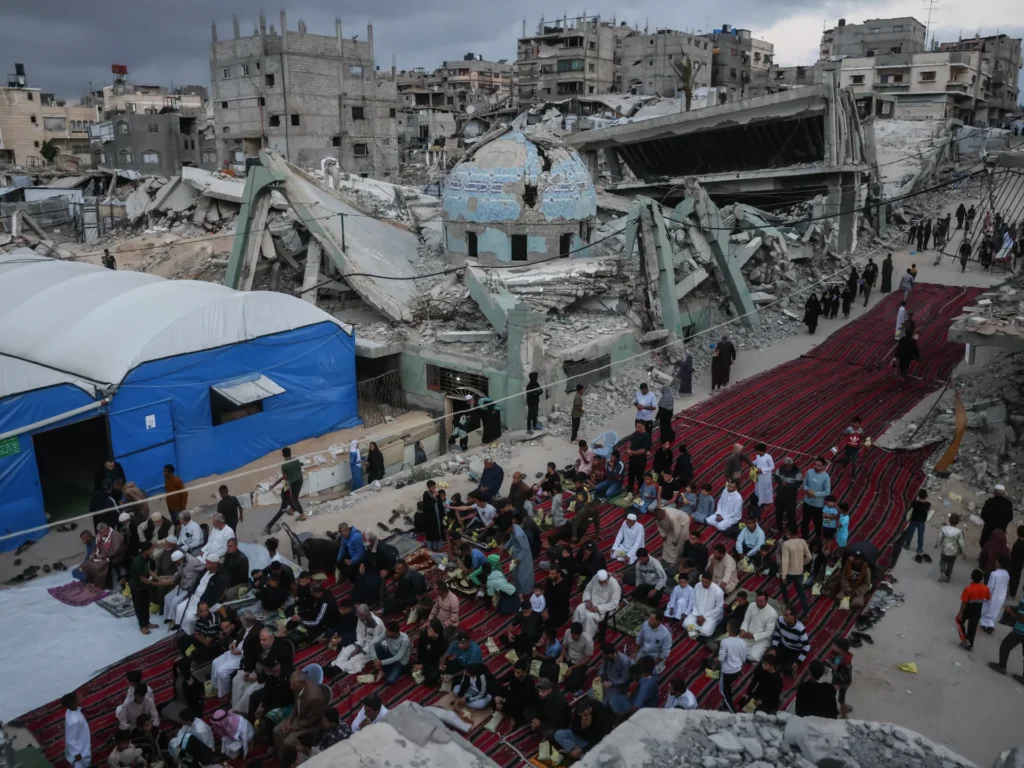
A primary factor contributing to the somber mood is the massive displacement of Gaza’s population. Hundreds of thousands of Palestinians have been forced to abandon their homes, seeking refuge in makeshift tents and overcrowded shelters. This uprooting has fragmented families and communities, making it impossible to observe Eid traditions in their customary manner.
“Eid does not enter tents,” one displaced resident lamented, encapsulating the sentiment of many who find themselves far from their homes and unable to replicate the warmth and familiarity of past holidays. The concept of celebrating in a temporary, often inadequate, shelter feels alien and heartbreaking to those accustomed to gathering in their ancestral homes or community spaces.
The ability to host family and friends, a cornerstone of Eid hospitality, has been severely curtailed. Many families are separated, with members dispersed across different areas of Gaza, and the logistical challenges of travel and accommodation make reunions difficult, if not impossible. The communal prayers and festive meals that once defined the holiday are now distant memories for a significant portion of the population.
Economic Hardship Dims Festive Spirit
Beyond displacement, the severe economic hardship gripping Gaza has further eroded any potential for Eid celebrations. The conflict has decimated the local economy, leading to widespread unemployment, soaring prices, and a scarcity of essential goods. For many, the priority is simply securing enough food and water, leaving no room for the customary expenses associated with the holiday.
- Rising Costs: The prices of food staples, clothing, and other necessities have skyrocketed, making traditional Eid purchases unattainable for most families. The cost of meat for sacrifices, a central ritual of Eid al-Adha, is prohibitively expensive for many.
- Lack of Income: With businesses destroyed and livelihoods disrupted, a large segment of the population has lost its source of income. This financial strain means that even modest celebrations are beyond reach.
- Humanitarian Aid: While humanitarian aid efforts are ongoing, they primarily focus on providing basic necessities, not on facilitating holiday celebrations. Families are reliant on aid for survival, underscoring the severity of their situation.
The tradition of buying new clothes for children, a joyful aspect of Eid, has become an unaffordable luxury. Parents express deep sorrow over their inability to provide their children with this simple pleasure, highlighting the emotional toll of the crisis.
Psychological Impact and Loss of Hope
The cumulative effect of displacement and economic hardship is a profound sense of loss and despair among Gaza’s Palestinians. The inability to celebrate Eid al-Adha in a meaningful way adds another layer of grief to an already traumatized population. The holiday, which traditionally offers a moment of respite and joy, now serves as a stark reminder of their ongoing suffering.
Community leaders and aid workers note the visible psychological toll, particularly on children, who are missing out on important cultural and religious experiences. The absence of festivity contributes to a sense of instability and uncertainty about the future.
As Eid al-Adha unfolds, the focus for many in Gaza remains on resilience and survival, rather than celebration. The hope for a return to normalcy and the ability to observe future holidays with joy and peace remains a distant, yet fervent, wish for the displaced and struggling residents of the Strip.
Source: Al Jazeera