
Senegal’s Football Journey to Global Prominence
The West African nation of Senegal has increasingly positioned itself as a significant force in global football, with many observers now viewing them as genuine contenders for the 2026 FIFA World Cup. This rise is not accidental but rather the result of a multifaceted approach that combines leveraging its diaspora talent with the establishment of local football academies. While these strategies have undeniably contributed to their success, some aspects, particularly surrounding the academies, have drawn criticism.
The Impact of Diaspora Recruitment
A cornerstone of Senegal’s footballing strategy has been the effective recruitment and integration of players from its vast diaspora. Many Senegalese players, born or raised in European countries like France, have honed their skills in established footballing nations with superior infrastructure and coaching. These players often possess a blend of technical prowess, tactical understanding, and experience in highly competitive leagues. By identifying and convincing these talents to represent their ancestral nation, Senegal has significantly bolstered its national team’s quality and depth.
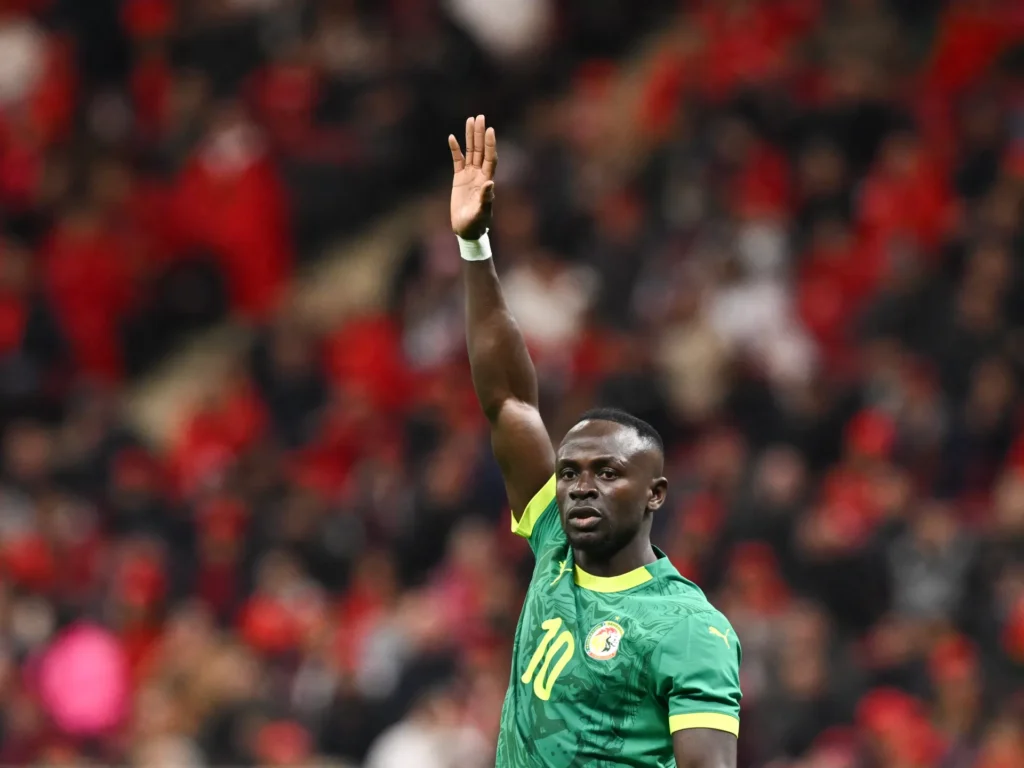
This approach allows Senegal to tap into a wider pool of talent than would be available solely from within its borders. Players like Sadio Mané, Kalidou Koulibaly, and Édouard Mendy, who have achieved considerable success in top European clubs, exemplify the quality that diaspora recruitment brings. Their experience at the highest levels of club football has been crucial in elevating the national team’s performance, instilling a winning mentality, and providing leadership on the field. The integration of these players also brings diverse playing styles and tactical understanding, enriching the team’s overall capabilities.
The Role of Local Academies: A Double-Edged Sword
Alongside diaspora recruitment, the development of local football academies within Senegal has been another critical component of the nation’s footballing strategy. These academies aim to identify and nurture young talent from an early age, providing them with structured training, education, and pathways to professional football. The vision is to create a sustainable pipeline of homegrown players who can contribute to both the national team and domestic leagues, reducing reliance solely on foreign-based talent.
One prominent example is the Génération Foot academy, which has produced numerous international players, including Sadio Mané. Such academies offer aspiring footballers opportunities that might otherwise be unavailable, providing facilities, coaching, and exposure to scouts. They serve as crucial development hubs, teaching technical skills, tactical discipline, and the importance of physical conditioning.
While the academies have been instrumental in talent development, their operations have not been without controversy. Concerns have been raised regarding the ethical implications of some practices, particularly those involving young children. Issues such as the potential for exploitation, the high attrition rate, and the pressure placed on very young players have drawn scrutiny from human rights organizations and child welfare advocates.
Critics argue that some academies, driven by the lucrative potential of producing professional footballers, might prioritize profit over the holistic development and well-being of the children. There are also debates about the transparency of operations, player contracts, and the support systems available for those who do not make it to professional ranks. These concerns highlight the complex balance between fostering talent and ensuring ethical practices in youth sports development.
Balancing Talent Development and Ethical Considerations
Senegal’s journey to becoming a footballing powerhouse is a testament to its strategic investment in talent. The combination of drawing on its diaspora and cultivating local talent has undeniably propelled the nation onto the global stage. However, the controversies surrounding local academies underscore the ongoing challenge of balancing the pursuit of sporting excellence with ethical responsibilities. As Senegal looks towards the 2026 World Cup, ensuring the long-term sustainability and integrity of its football development model will be crucial not only for its success on the field but also for the welfare of its aspiring young athletes.
Source: Al Jazeera