
Pochettino’s Vision for the USMNT
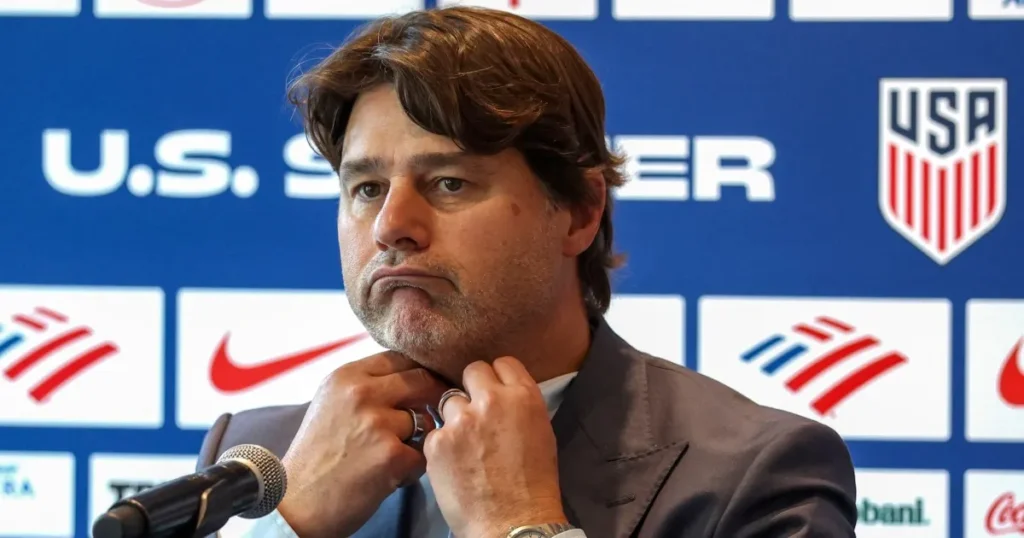
Mauricio Pochettino, a prominent figure in the world of football management, has recently offered insights into his expectations for the United States Men’s National Team (USMNT) as they gear up for the 2026 FIFA World Cup. His comments suggest a departure from a cautious approach, instead implying a strong belief in the team’s potential to achieve significant success on home soil.
Historically, coaches often temper expectations, particularly for teams that might not be considered traditional favorites on the global stage. This strategy is frequently employed to alleviate pressure on players and manage public perception. However, Pochettino appears to be adopting a different tactic, signaling a more ambitious mindset for the USMNT.
Shifting Dynamics in International Football
The landscape of international football is constantly evolving. The notion of ‘underdogs’ achieving remarkable feats has become increasingly common in recent tournaments, challenging long-held assumptions about which nations are capable of winning major titles. This shift could be influencing Pochettino’s perspective, as he recognizes the growing talent pool and improving infrastructure within American soccer.
The USMNT has demonstrated periods of promise in past World Cups, often showcasing athleticism and tactical discipline. However, they have yet to reach the ultimate pinnacle of the competition. The 2026 tournament, with the United States as one of the co-hosts, presents a unique opportunity, providing the team with the advantage of familiar surroundings and strong home support.
The Impact of Home Advantage
Playing on home turf is widely considered a significant advantage in major sporting events, including the World Cup. The energy from local fans, reduced travel fatigue, and familiarity with venues and conditions can all contribute to enhanced performance. For the USMNT, this factor could be pivotal in their campaign, potentially providing the extra edge needed to compete with the world’s elite.
Pochettino’s remarks, while not explicitly stating a World Cup victory as a certainty, certainly convey a sense of genuine aspiration for the highest possible achievement. This kind of public confidence from a coach can be a double-edged sword; it can inspire players and galvanize fan support, but it also elevates the stakes and intensifies scrutiny.
“The confidence expressed by Pochettino could serve as a powerful motivator for the USMNT players, fostering a belief that they are not merely participants, but genuine contenders.”
Building a Competitive Squad
The process of building a World Cup-winning squad is multifaceted, involving careful player selection, strategic tactical development, and fostering strong team chemistry. Pochettino’s role would involve identifying and nurturing talent, ensuring that the team is not only technically proficient but also mentally resilient enough to handle the pressures of a global tournament.
The current generation of American players includes several individuals who are gaining valuable experience in top European leagues, indicating a rising standard of individual talent. Integrating these players into a cohesive unit that can perform consistently at the highest level will be a key challenge for the coaching staff.
Looking Ahead to 2026
As the 2026 World Cup draws closer, all eyes will be on the USMNT and their preparations. Pochettino’s early indications of high expectations set a compelling narrative for the team’s journey. Whether these aspirations translate into tangible success remains to be seen, but his confidence undoubtedly adds an intriguing layer to the anticipation surrounding the tournament.
The coming years will be crucial for the USMNT as they refine their strategy, develop their players, and build the momentum necessary to contend for the most coveted trophy in international football. Pochettino’s public stance suggests that the team will not shy away from the challenge, aiming to make a significant impact when the world’s biggest football spectacle arrives on American shores.
Source: Al Jazeera