
Healthcare Hero Succumbs to Ebola in DRC
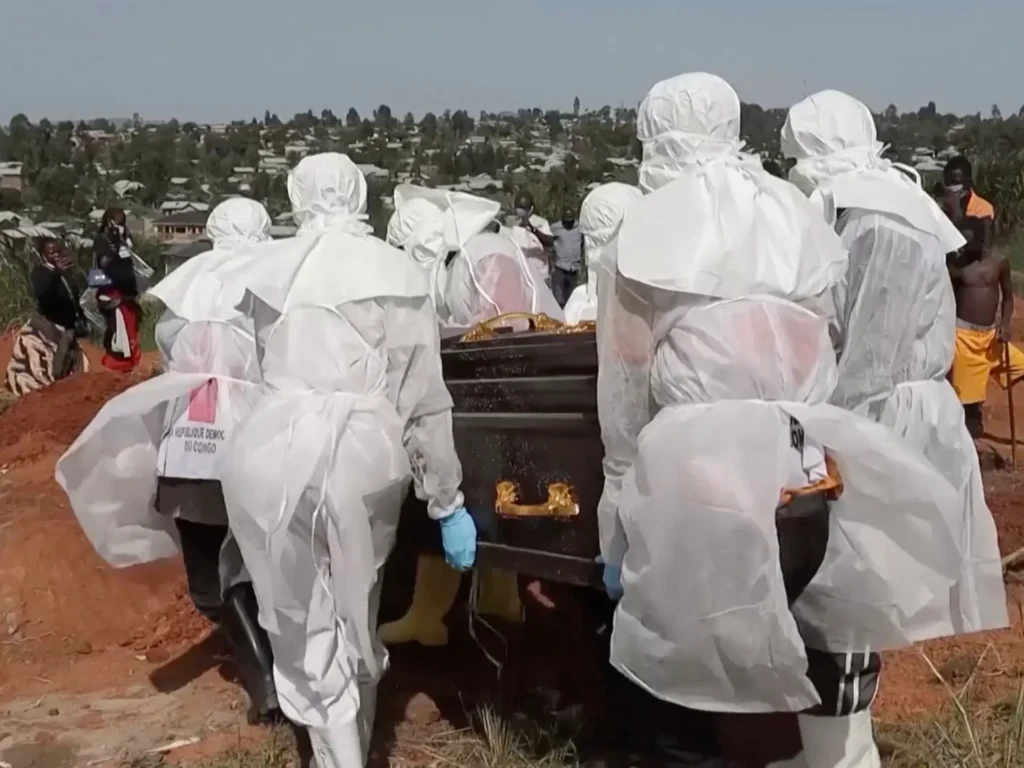
The Democratic Republic of Congo (DRC) recently bid farewell to a medical professional who tragically contracted Ebola while providing care to patients afflicted by the virus. The doctor’s burial marks a somber moment, highlighting the immense sacrifices made by healthcare workers in the ongoing struggle against infectious diseases within the region.
This incident serves as a stark reminder of the perilous conditions under which medical teams operate, particularly in areas grappling with outbreaks of highly contagious and often fatal illnesses like Ebola. The dedication of these individuals, who willingly put their own lives at risk to save others, is a cornerstone of public health efforts globally.
The Persistent Threat of Ebola
Ebola virus disease (EVD) remains a significant public health challenge in several African nations, including the DRC. Characterized by severe, often fatal hemorrhagic fever, the virus spreads through direct contact with the blood, secretions, organs, or other bodily fluids of infected people, and with surfaces and materials (e.g., bedding, clothing) contaminated with these fluids.
Outbreaks are notoriously difficult to contain due to various factors, including the highly contagious nature of the virus, sometimes inadequate public health infrastructure, and community resistance or misinformation. Healthcare workers are particularly vulnerable given their close proximity to infected individuals and the potential for exposure during medical procedures.
Protecting Frontline Workers
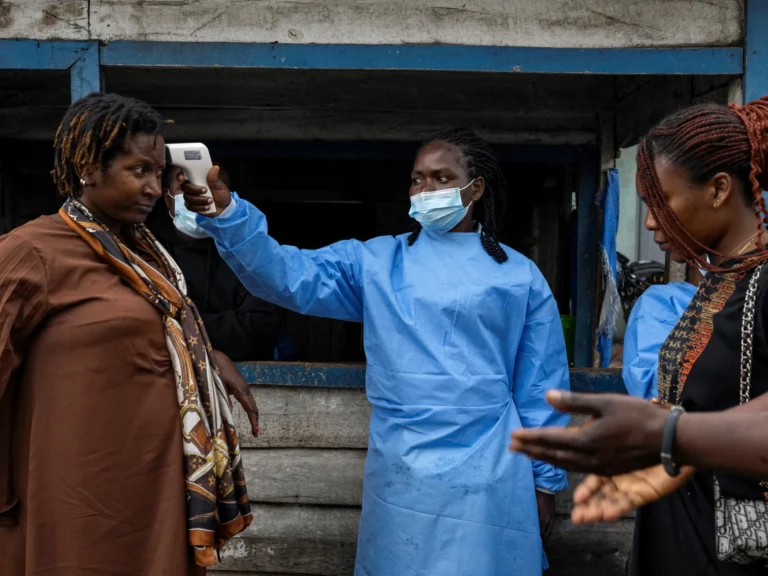
The loss of a medical professional to Ebola underscores the critical importance of robust infection prevention and control (IPC) measures. These measures are designed to protect healthcare providers from exposure to infectious agents and include the consistent use of personal protective equipment (PPE), strict adherence to sterilization protocols, and proper waste management.
Beyond physical protection, support systems for healthcare workers, including psychological counseling and adequate compensation, are vital. The emotional and mental toll of working in high-risk environments, witnessing immense suffering, and facing the constant threat of infection cannot be overstated. Ensuring their well-being is not just an ethical imperative but also crucial for maintaining a resilient healthcare workforce.
Community Engagement and Global Response
Effective Ebola response also heavily relies on strong community engagement. Building trust between health authorities and local populations is essential for promoting safe burial practices, encouraging early reporting of symptoms, and facilitating contact tracing efforts. Misinformation and fear can significantly hinder containment efforts, making clear and consistent communication paramount.
International collaboration also plays a pivotal role. Organizations like the World Health Organization (WHO) and various non-governmental organizations often work alongside national governments to provide technical expertise, resources, and personnel. These partnerships are instrumental in bolstering local capacities to detect, prevent, and respond to outbreaks.
The passing of this doctor is a poignant illustration of the human cost of public health crises. It reinforces the need for sustained investment in healthcare systems, ongoing training for medical personnel, and comprehensive strategies that prioritize the safety and well-being of those on the front lines of disease outbreaks.
Source: Al Jazeera