
Humanitarian Access Critical Amidst Dual Crises
The Director-General of the World Health Organization (WHO), Dr. Tedros Adhanom Ghebreyesus, has issued a stark warning regarding the situation in the Democratic Republic of Congo (DRC). He highlighted a perilous convergence of an active Ebola outbreak and persistent armed conflict, describing it as a ‘catastrophic collision’ that severely complicates efforts to control the deadly virus. Dr. Tedros underscored that the ability to halt the transmission of Ebola is entirely contingent on unimpeded humanitarian access to affected areas.
Challenges in Containing Ebola
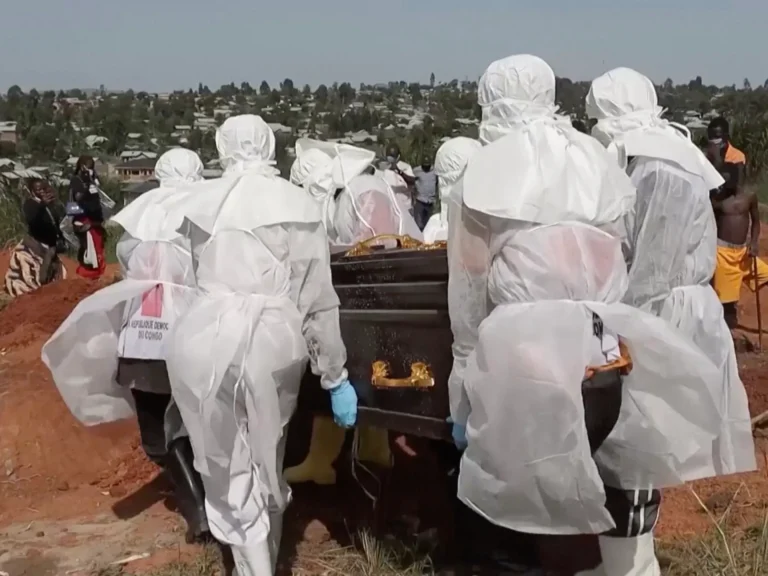
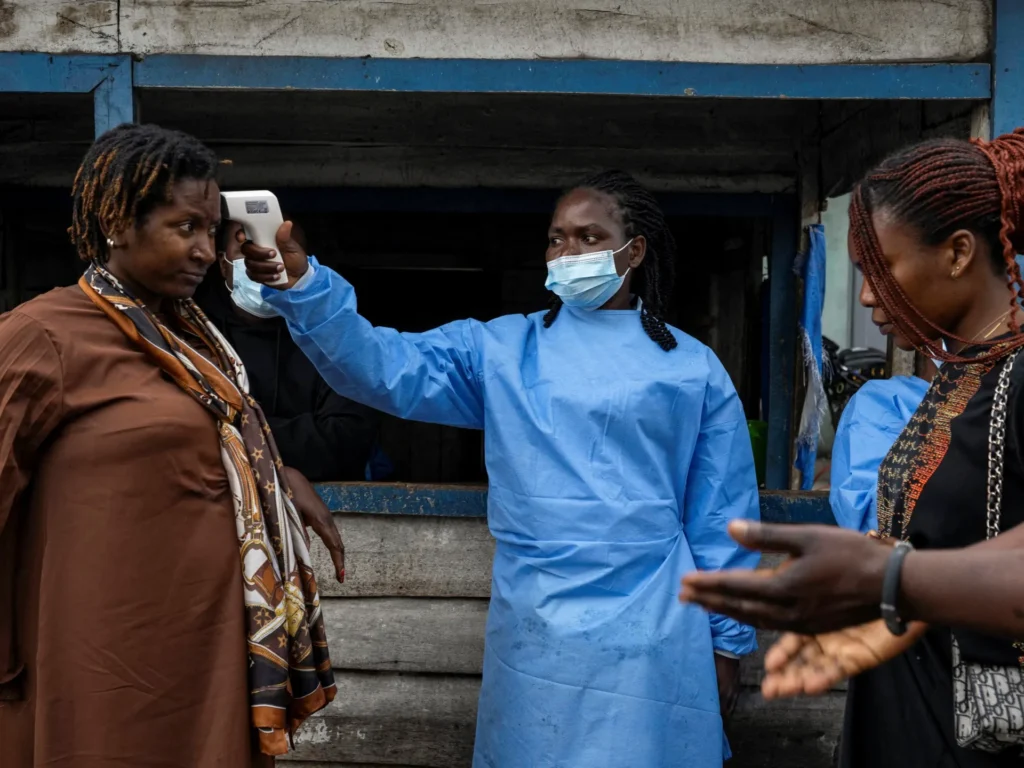
The current Ebola outbreak, primarily affecting the eastern provinces of the DRC, presents significant challenges for health workers and international aid organizations. The virus, known for its high fatality rate, spreads rapidly through direct contact with the blood, secretions, organs, or other bodily fluids of infected people, and with surfaces and materials contaminated with these fluids. Effective containment strategies rely heavily on prompt identification of cases, contact tracing, isolation of the sick, and safe burial practices. However, these crucial public health interventions are severely hampered by the volatile security situation.
“Stopping this Ebola transmission depends entirely on humanitarian access,” stated Dr. Tedros, the WHO chief.
The ongoing conflict, involving numerous armed groups, creates an environment of instability and insecurity. This not only displaces populations, making it difficult to track and monitor potential cases, but also puts health workers and aid personnel at direct risk. Attacks on health facilities, ambushes on transport routes, and general intimidation tactics by armed factions disrupt the delivery of essential medical supplies and the deployment of response teams. Such incidents force temporary suspensions of operations, creating windows for the virus to spread unchecked.
Impact on Public Health Response
The dual crisis creates a complex web of obstacles for the public health response. Communities living in conflict zones often lack trust in external actors, a sentiment sometimes exploited by armed groups to sow misinformation about the Ebola virus and the vaccination efforts. This distrust can lead to resistance to vaccination campaigns, refusal to seek treatment at designated Ebola treatment centers, and non-compliance with safe burial protocols, all of which are vital for breaking chains of transmission.
Furthermore, the movement of displaced populations fleeing violence can inadvertently spread the virus to new, previously unaffected areas. Tracking these mobile populations and providing them with necessary health services, including screening for Ebola symptoms, becomes incredibly difficult in the absence of stable and secure access. The infrastructure in these regions is often poor or has been destroyed by conflict, further impeding the logistical challenges of a large-scale health response.
International Appeals for Action
Dr. Tedros’s warning serves as an urgent call to the international community and all parties involved in the conflict. He implicitly appealed for a cessation of hostilities or, at the very least, for all armed groups to respect humanitarian corridors and allow safe passage for health workers and supplies. Without such assurances, the efforts of the WHO and its partners to bring the Ebola outbreak under control will continue to face insurmountable hurdles, potentially leading to a prolonged and more widespread epidemic.
The situation in the DRC underscores a recurring challenge in global health: the intersection of humanitarian crises and disease outbreaks. Effective responses require not only medical expertise and resources but also political will and security guarantees to ensure that health interventions can reach those most in need. The ‘catastrophic collision’ highlighted by the WHO chief emphasizes that peace and security are foundational prerequisites for public health success in conflict-affected regions.
Source: Al Jazeera