
Understanding the Recent Escalation in Southern Lebanon
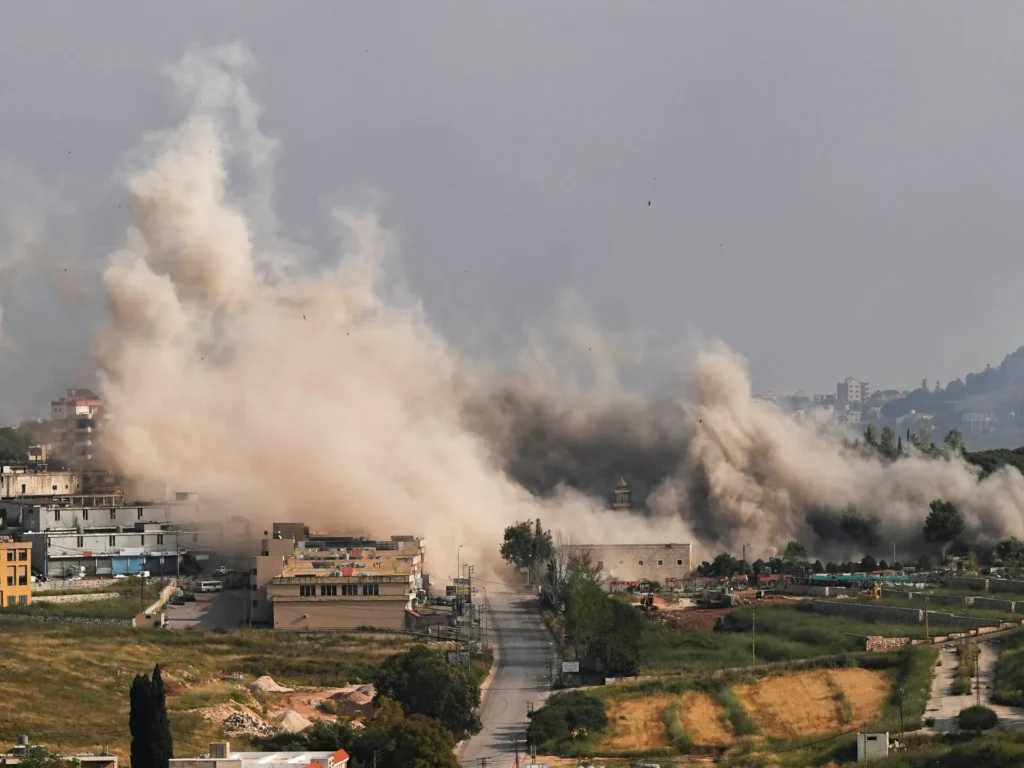
Recent reports indicate a concentrated focus of Israeli military operations on Nabatieh, a prominent urban center in southern Lebanon. On Tuesday, Israel reportedly issued directives for the forced displacement of residents from this city. This development raises questions regarding the specific strategic importance of Nabatieh in the broader context of the prolonged conflict in the region.
The Strategic Significance of Nabatieh
Nabatieh holds considerable importance within southern Lebanon, both demographically and geographically. As one of the largest cities in the south, it serves as a crucial administrative, commercial, and cultural hub for the surrounding areas. Its strategic location, situated inland but relatively close to the Israeli border, positions it as a key point in any potential military calculations for both sides.
Historically, southern Lebanon has been a flashpoint for conflict, particularly since the 1980s. The region has witnessed numerous confrontations and has been a zone of significant military presence and activity for various armed groups. Nabatieh, due to its central position, has often been a focal point or transit area in these dynamics.
Context of Ongoing Tensions
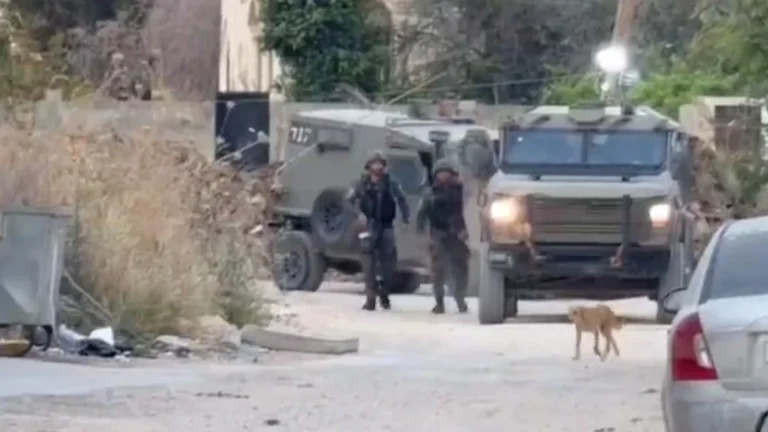
The recent Israeli actions on Nabatieh occur within a broader landscape of heightened tensions along the Israel-Lebanon border. Since October 2023, there has been a significant increase in cross-border exchanges of fire, primarily involving Israeli forces and Hezbollah. These exchanges have led to casualties on both sides and have resulted in widespread displacement of populations from border communities in both Israel and Lebanon.
Israeli officials have repeatedly stated their objective to push Hezbollah forces away from their northern border, citing security concerns for their citizens. Hezbollah, for its part, has stated its actions are in solidarity with Palestinians in Gaza and in response to Israeli aggression.
Implications of Displacement Directives
The reported issuance of forced displacement directives for Nabatieh carries significant humanitarian and geopolitical implications. Such actions typically aim to clear civilian populations from areas designated for military operations, potentially signaling an intent for more intensive or sustained engagement. However, forced displacement also exacerbates humanitarian crises, creating large numbers of internally displaced persons who require shelter, food, and medical assistance.
From a geopolitical standpoint, targeting a major city like Nabatieh could be interpreted as an escalation, potentially expanding the geographical scope of the conflict beyond immediate border areas. This could lead to further international condemnation and increased pressure on all parties to de-escalate.
International Response and Future Outlook
The international community has consistently called for a cessation of hostilities and adherence to UN Security Council Resolution 1701, which established a fragile peace after the 2006 Lebanon War. However, efforts to achieve a lasting ceasefire and stabilize the region have faced considerable challenges.
The targeting of Nabatieh underscores the volatile nature of the situation in southern Lebanon and the potential for rapid escalation. Observers will be closely watching whether these actions represent a shift in military strategy or an intensified effort to achieve specific objectives in the ongoing conflict.
Source: Al Jazeera