

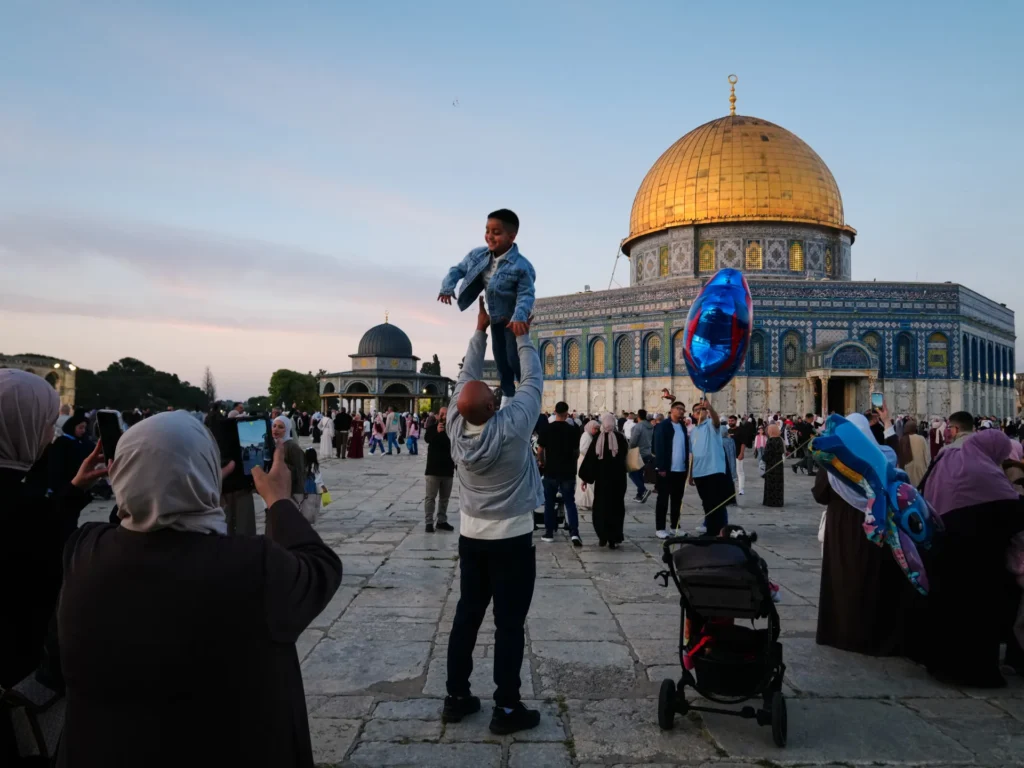
Eid al-Adha: A Global Celebration of Faith and Sacrifice
Millions of Muslims around the world are observing Eid al-Adha, also known as the Festival of Sacrifice, a pivotal religious holiday in the Islamic calendar. This annual event is a time for reflection, gratitude, and communal solidarity, marked by prayers, family gatherings, and acts of charity. The celebration holds deep spiritual significance, commemorating Prophet Ibrahim’s (Abraham’s) unwavering devotion and his willingness to sacrifice his son, Ishmael, in obedience to God’s command, before God intervened and provided a ram as a substitute.
The Coincidence with Hajj
Eid al-Adha notably aligns with the culmination of the Hajj, the annual Islamic pilgrimage to Mecca in Saudi Arabia. This spiritual journey is one of the five pillars of Islam, a mandatory religious duty for all able-bodied Muslims who can afford it. The convergence of these two major events amplifies the spiritual atmosphere for Muslims globally, as pilgrims in Saudi Arabia perform the final rites of Hajj while the broader Muslim community celebrates Eid.
This year, the Hajj has drawn an immense congregation, with reports indicating over 1.7 million pilgrims arriving in Saudi Arabia to undertake the sacred rituals. These pilgrims embark on a profound spiritual quest, seeking closeness to God, forgiveness for sins, and a renewed sense of purpose. The journey involves a series of rites performed over several days, including circumambulating the Kaaba, the sacred building at the center of Islam’s most important mosque, and symbolic stoning rituals.
Traditions and Observances
The observance of Eid al-Adha typically begins with special congregational prayers held in mosques and open-air spaces. Following the prayers, it is customary for families to sacrifice an animal, such as a sheep, goat, cow, or camel, in accordance with Islamic tradition. The meat from this sacrifice is then divided into three parts: one for the family, one for friends and neighbors, and one for the poor and needy. This act of sharing underscores the holiday’s emphasis on compassion, community, and assisting those less fortunate.
Beyond the sacrificial rites, Eid al-Adha is a joyous occasion characterized by festive meals, exchanging gifts, and visiting relatives and friends. Children often receive new clothes and presents, and homes are adorned to mark the festivity. Charitable acts extend beyond meat distribution, with many Muslims donating money, food, and other essentials to various charities and individuals in need, embodying the spirit of generosity central to the holiday.
A Time for Unity and Reflection
The global celebration of Eid al-Adha serves as a powerful reminder of the unity within the diverse Muslim community. Despite geographical distances and cultural differences, Muslims worldwide share in these sacred observances, fostering a sense of collective identity and shared faith. It is a period for introspection, strengthening familial bonds, and reaffirming one’s commitment to the principles of Islam.
The holiday also provides an opportunity for interfaith dialogue and understanding, as non-Muslim neighbors and friends often extend greetings and learn about the significance of the celebration. This exchange contributes to greater mutual respect and appreciation among different communities.
As the Hajj pilgrims conclude their spiritual journey in Saudi Arabia, the global Muslim community continues its celebrations of Eid al-Adha, embodying the core values of sacrifice, devotion, and compassion that define this important religious observance.
Source: Al Jazeera