

Ghana’s Response to Xenophobia
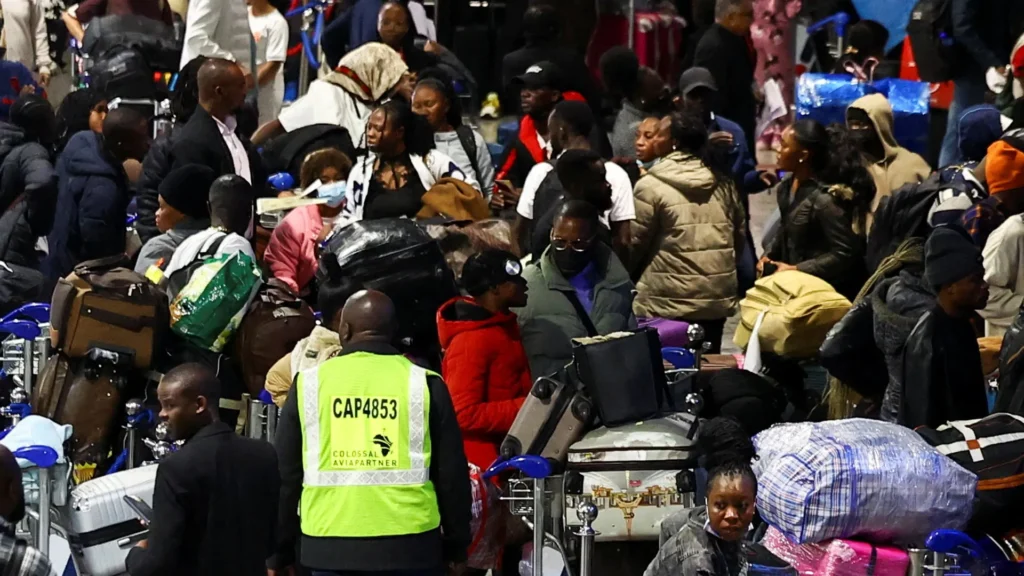
The government of Ghana has officially begun the process of bringing its citizens home from South Africa. This decision comes in the wake of a reported surge in xenophobic sentiment and related incidents across various parts of South Africa, which have disproportionately affected foreign nationals.
The Context of Repatriation
For several years, South Africa has experienced periods of xenophobic violence, often stemming from socio-economic tensions such as high unemployment rates and perceived competition for resources. Foreign nationals, particularly those from other African countries, have frequently been targets of these attacks, leading to displacement, injuries, and even fatalities. The recent escalation of such incidents has evidently reached a critical point, compelling Ghana to take direct action to ensure the safety and well-being of its diaspora.
Logistical Challenges and Support
The repatriation effort is a complex undertaking, involving coordination between diplomatic missions, immigration authorities, and humanitarian organizations. Ghanaian officials are working to identify citizens who wish to return, facilitate their travel documents, and arrange transportation back to Ghana. Upon arrival, returning citizens may require various forms of support, including temporary accommodation, psychological counseling for trauma experienced, and assistance with reintegration into Ghanaian society. This often includes help in re-establishing livelihoods if they have lost their businesses or possessions in South Africa.
International and Regional Implications
The situation in South Africa and Ghana’s response highlight broader challenges within the African continent regarding migration, integration, and the protection of foreign nationals. Such events often spark discussions among regional bodies like the African Union (AU) and the Southern African Development Community (SADC) about fostering greater unity, addressing root causes of xenophobia, and implementing more effective mechanisms for conflict resolution and migrant protection. The economic implications are also significant, as remittances from diaspora communities often contribute substantially to their home countries’ economies, and large-scale repatriations can disrupt these flows.
“The safety and security of our citizens abroad remain a paramount concern for the government. We are committed to ensuring that all Ghanaians facing precarious situations are brought home safely and supported through this challenging transition.”
Historical Precedents and Future Outlook
This is not the first time an African nation has had to repatriate its citizens from South Africa due to xenophobia. Such occurrences underscore a recurring pattern of tension that various stakeholders are attempting to address through dialogue, community engagement, and policy reforms. However, the persistent nature of these challenges suggests that deeper societal and economic issues need to be resolved to prevent future outbreaks of xenophobic violence. The focus remains on promoting social cohesion, economic inclusion for all residents, and strengthening law enforcement to protect vulnerable populations effectively.
Source: Al Jazeera